
Each November, healthcare providers and families across the country observe Prematurity Awareness Month. This month is designed to raise awareness about premature birth and the steps we can take to prevent it.
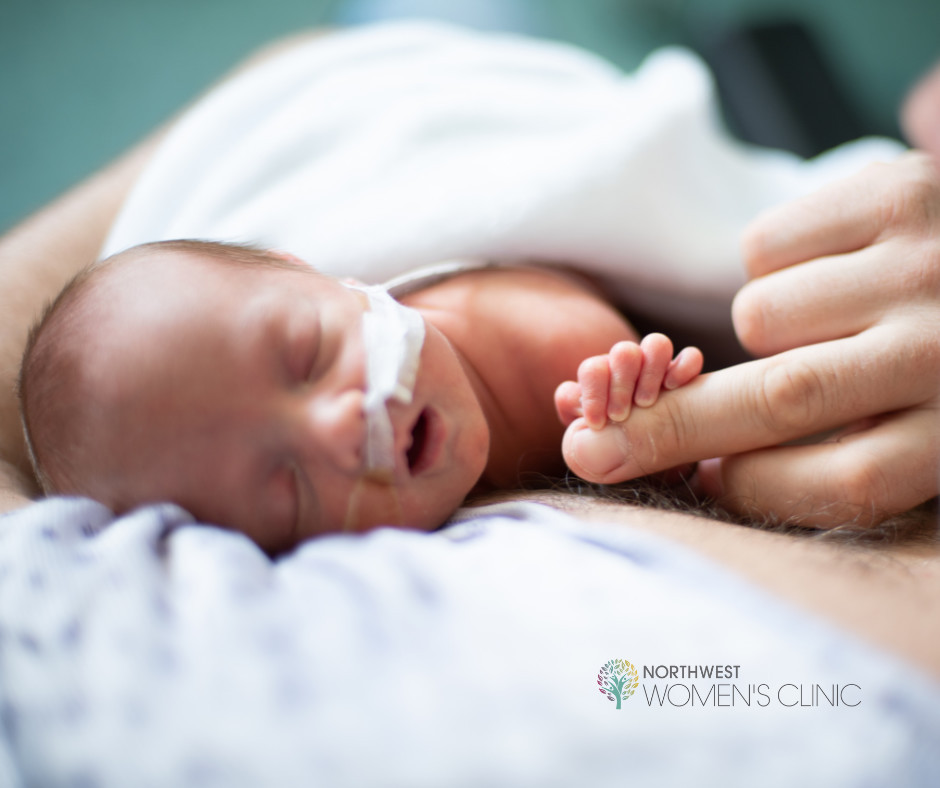
Premature birth (or preterm birth) occurs when a baby is born before 37 weeks of pregnancy. These early arrivals may face challenges with breathing, feeding, maintaining body temperature, and fighting infections, since many of their organs and systems are still developing.
While medical advances have greatly improved outcomes for premature infants, prevention and early intervention remain key. The good news is that with attentive prenatal care, healthy habits, and early recognition of warning signs, many premature births can be avoided.
What Causes Premature Birth?
Premature birth can happen for many reasons, sometimes without a clear cause. However, several known risk factors can increase the likelihood, including:
- Previous preterm birth
- Multiple pregnancy (twins, triplets, or more)
- Short intervals between pregnancies
- Chronic conditions such as high blood pressure, diabetes, or thyroid disease
- Infections during pregnancy
- Smoking, alcohol, or drug use
- High stress levels or lack of social support
- Problems with the uterus, cervix, or placenta
Understanding your risk factors early allows your OB/GYN to tailor your prenatal care and monitor your pregnancy closely.
What You Can Do to Reduce the Risk of Premature Birth
While not all preterm births can be prevented, there are several ways you can help reduce your risk and protect your baby’s health:
Get early and consistent prenatal care.
Regular visits allow your provider to track your baby’s growth, monitor your blood pressure, and detect potential complications early.
Manage chronic conditions.
If you have diabetes, hypertension, or thyroid disease, keeping these conditions well controlled throughout pregnancy helps lower risk.
Maintain a healthy lifestyle.
Eat balanced, nutrient-rich meals, stay hydrated, and engage in gentle physical activity as approved by your provider. Avoid smoking, alcohol, and illicit substances entirely.
Space pregnancies appropriately.
Waiting at least 18 months between pregnancies gives your body time to recover and lowers your risk for preterm labor.
Take prenatal vitamins.
Folic acid and other nutrients support healthy fetal development and can help prevent certain complications.
Protect your mental health.
High stress, anxiety, or depression can affect your pregnancy. Seek support from loved ones, counseling, or relaxation techniques such as prenatal yoga or mindfulness.
Know the warning signs of preterm labor.
Contact your OB/GYN right away if you notice:
- Regular or frequent contractions before 37 weeks
- Pelvic or lower back pressure
- Cramping similar to menstrual cramps
- Vaginal bleeding or fluid leakage
Prompt medical attention can sometimes stop or delay preterm labor, giving your baby more time to grow and develop.
Working Together for Healthy Pregnancy Outcomes
At Northwest Women’s Clinic, our mission is to help every pregnancy reach full term whenever possible. Our team provides compassionate, personalized prenatal care tailored to your individual needs. From your first appointment through delivery, we’re here to answer questions, monitor your health, and address any risk factors that may arise.
If you’re thinking about becoming pregnant, we also offer preconception counseling to help you prepare your body for pregnancy and discuss ways to optimize your health before conception.
A Message of Hope and Awareness
Prematurity Awareness Month is an opportunity to celebrate the progress made in maternal and neonatal care, and to support the families who have experienced preterm birth. Every step you take toward a healthier pregnancy matters.
If you’re expecting, planning for pregnancy, or have concerns about premature birth, schedule an appointment with your provider. Together, we can take proactive steps to keep you and your baby healthy through every stage of pregnancy.
 Northwest Women’s Clinic Named a 2026 Top 5 Reader Favorite by PDX Parent